"Growing up, I wondered if my mom would be there for me. Now I was wondering if I'd be there for my kids."
— Priscilla Brittine, Stomach CancerHear More From Priscilla:
PRISCILLA BRITTINE'S STORY
I was 14 the first time I heard the words “stomach cancer.” We kept taking my mom to doctors, to emergency rooms. But it was always dismissed. Then came the day they finally took her in for surgery, and I thought they’d fix her. I remember waiting, certain they were going to make everything okay. But thirty minutes later, they came out and said, “It’s too late. It spread.”
That moment is the one I can’t forget. I watched her struggle every day, watched her get smaller, until she was gone. Two years later, my uncle passed from the same cancer.
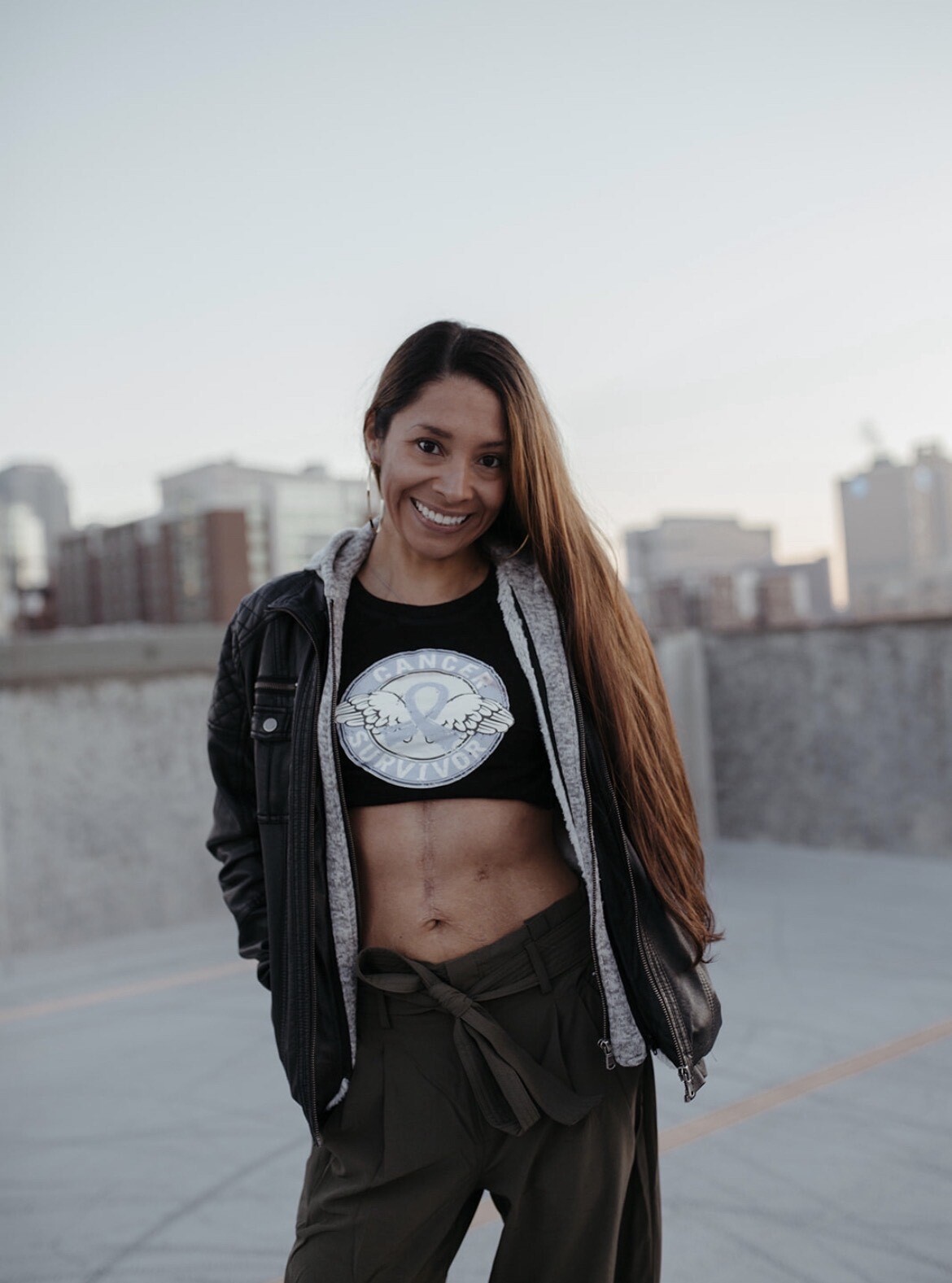
Years after that, I found out I had a genetic mutation that greatly increases my own risk of stomach cancer. So when my doctor said I could live without a stomach, I didn’t hesitate to proactively remove it. Growing up, I wondered if my mom would be there for me. Now I was wondering if I’d be there for my kids. The decision was a no brainer.
After the surgery, the doctors found out I’d already had early-stage cancer growing inside me. I was walking around and didn’t even know it.
Before all this, I was always rushing through life, always in a hurry. Now I remind myself to slow down, breathe the fresh air, to savor the little moments. Living without a stomach is rough, I won’t lie. I have good days and bad days, constant awareness of what I eat, when I eat, how I eat. But it’s taught me to be present and appreciate what I have in front of me.
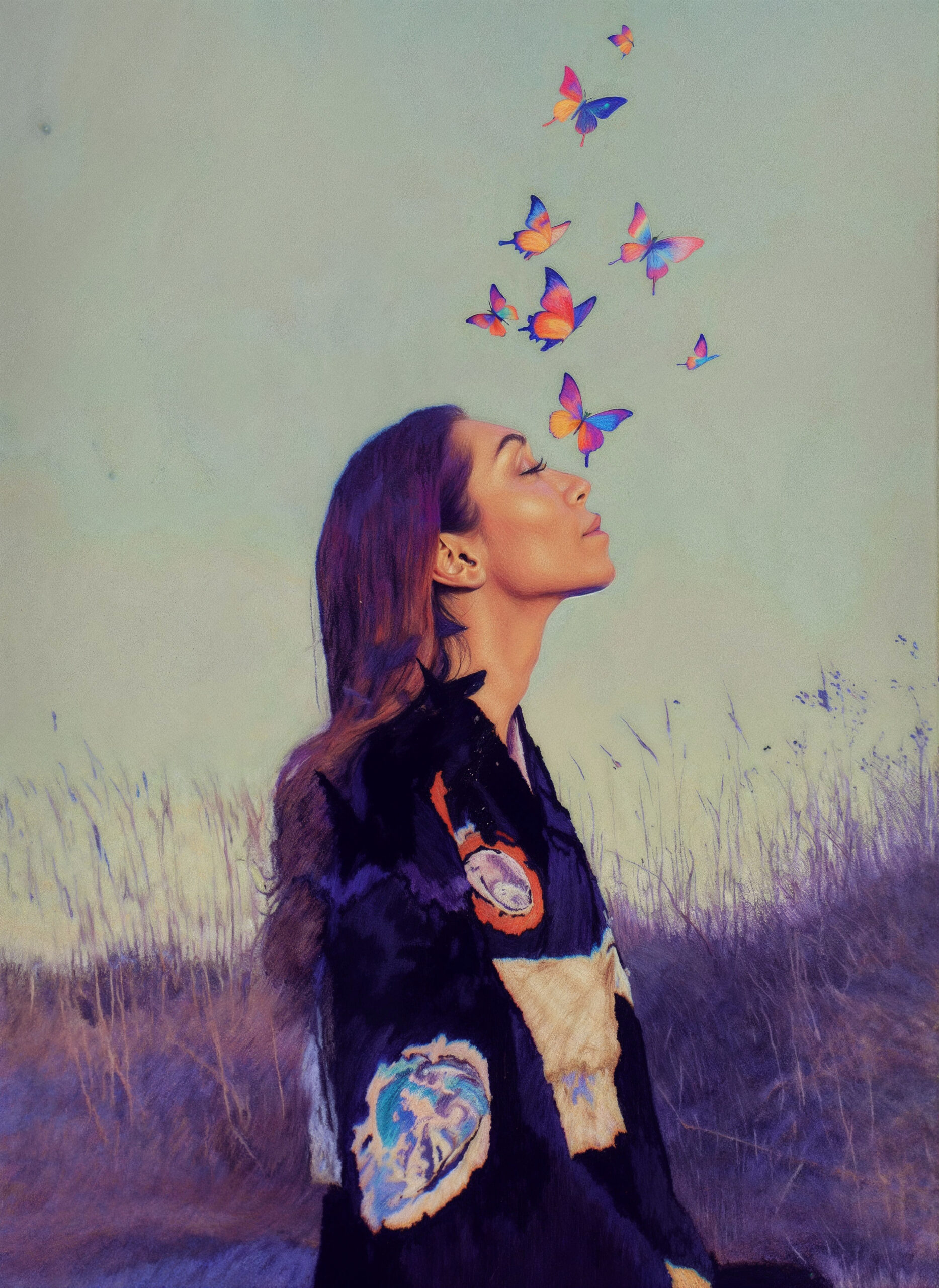
Over the years I’ve become more vocal, more open, like a butterfly emerging. My experience transformed me from the quiet girl into someone who wants to share her story. It took my mom and uncle passing to open the door for me to learn about my health, and now I need to open that door for other generations, for my kids, for everyone who comes after.
Research saved my life. The genetic mutation I had was discovered the same year my mom died, and scientific advances gave me what she couldn’t have: a choice, a chance. Because researchers kept pushing forward, kept asking questions, I’m here today watching my boys grow up because someone in a lab somewhere refused to give up. Now I share my story, I advocate, spreading my wings, so others know that research isn’t abstract. It’s real. It’s families. It’s futures.
Help others better understand the experiences of those living with cancer.